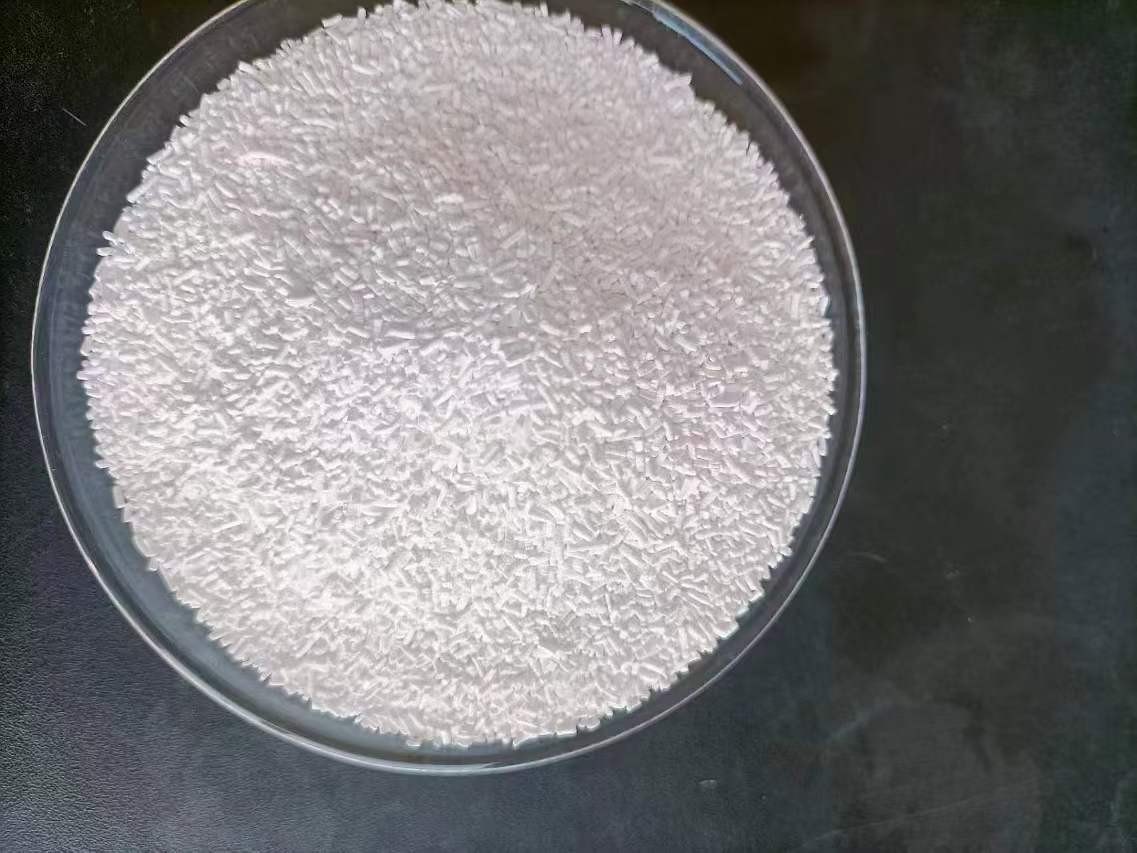
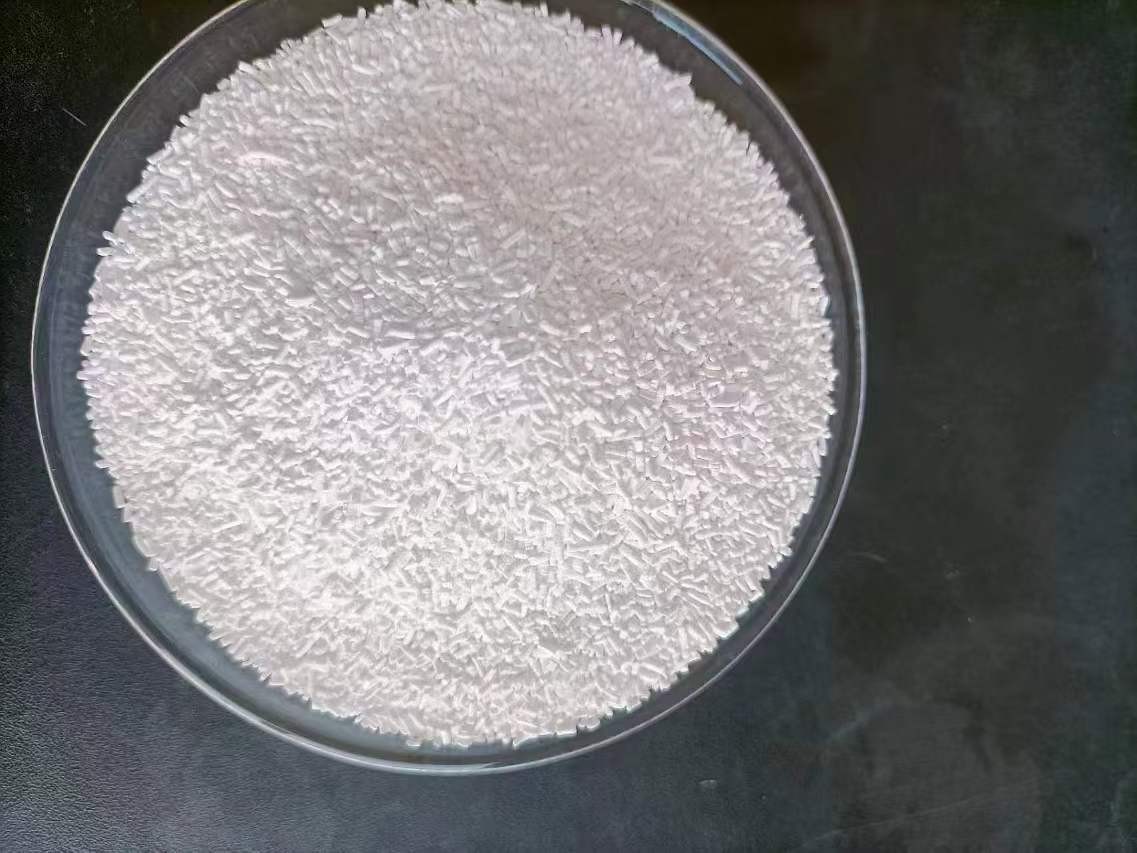
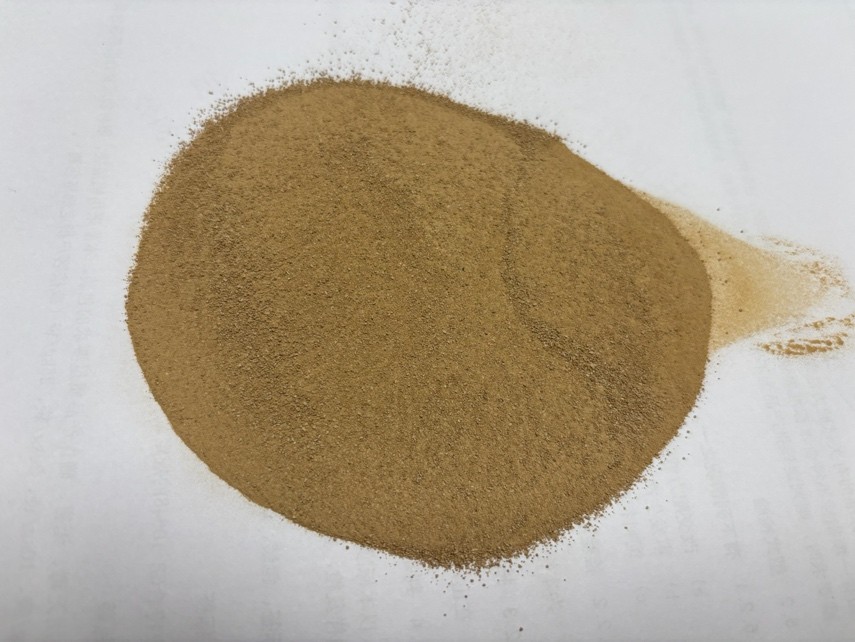
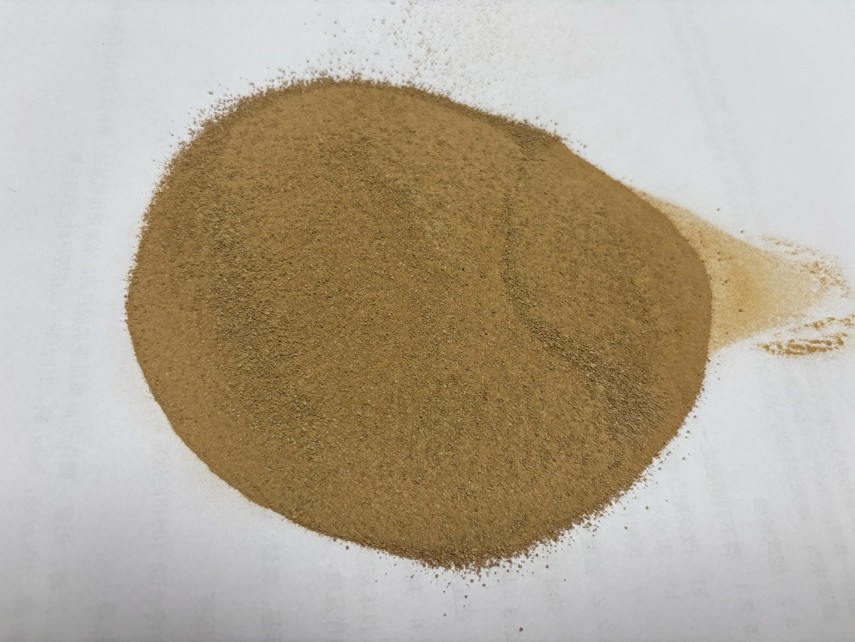
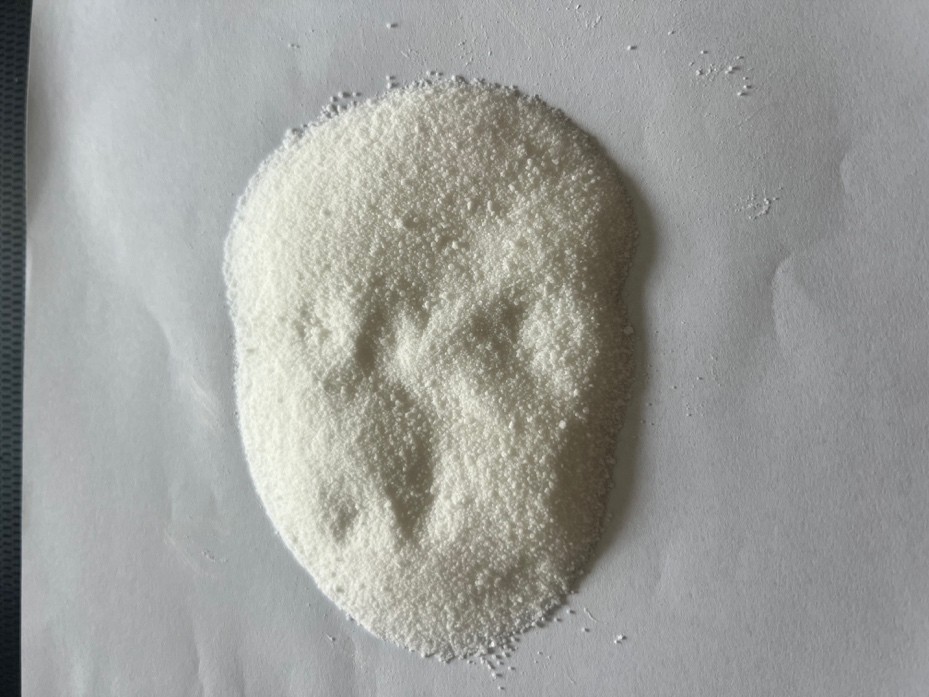
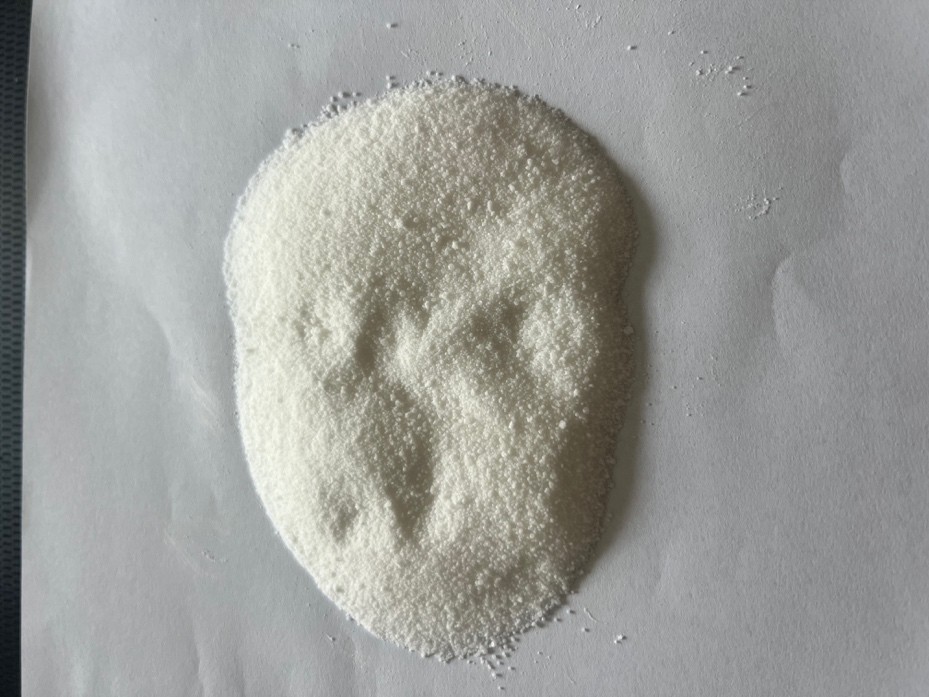
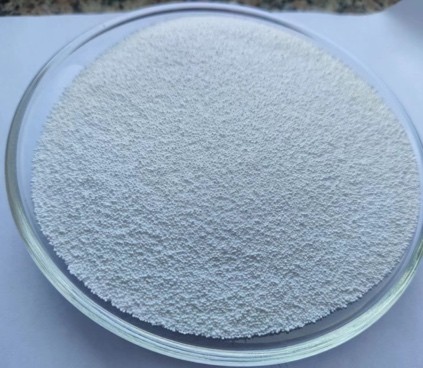
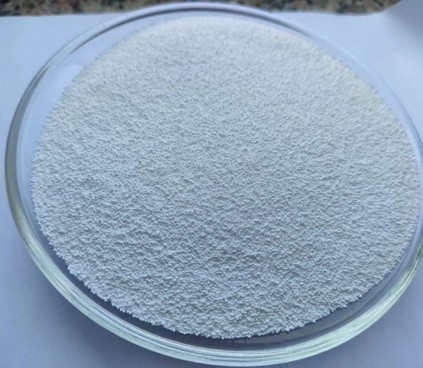
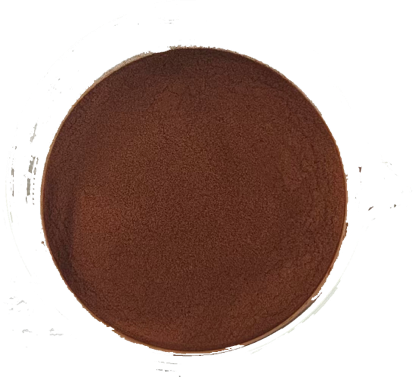
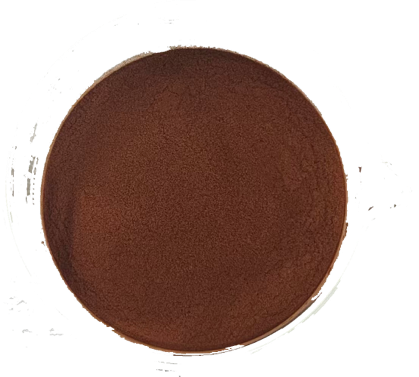
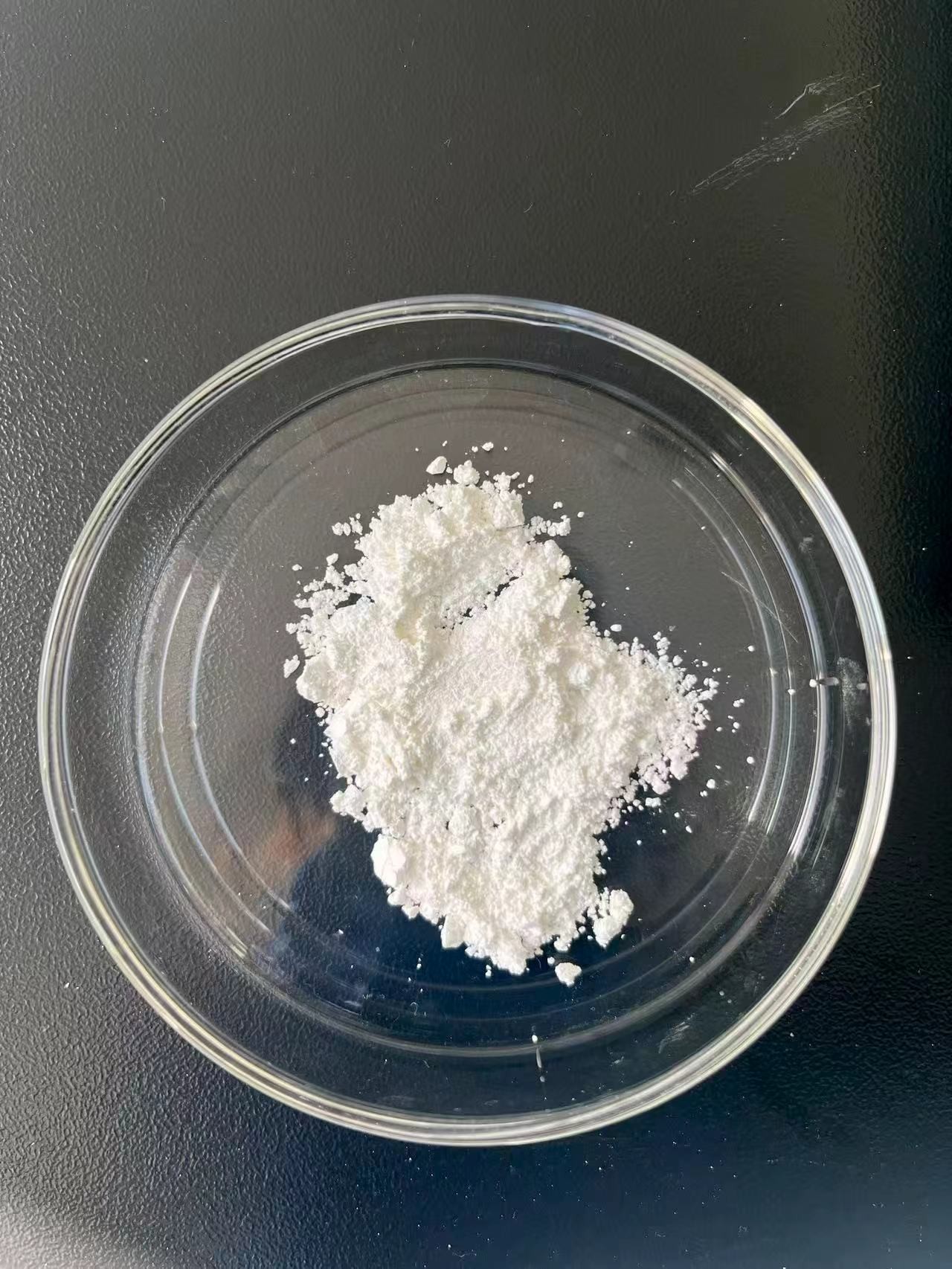
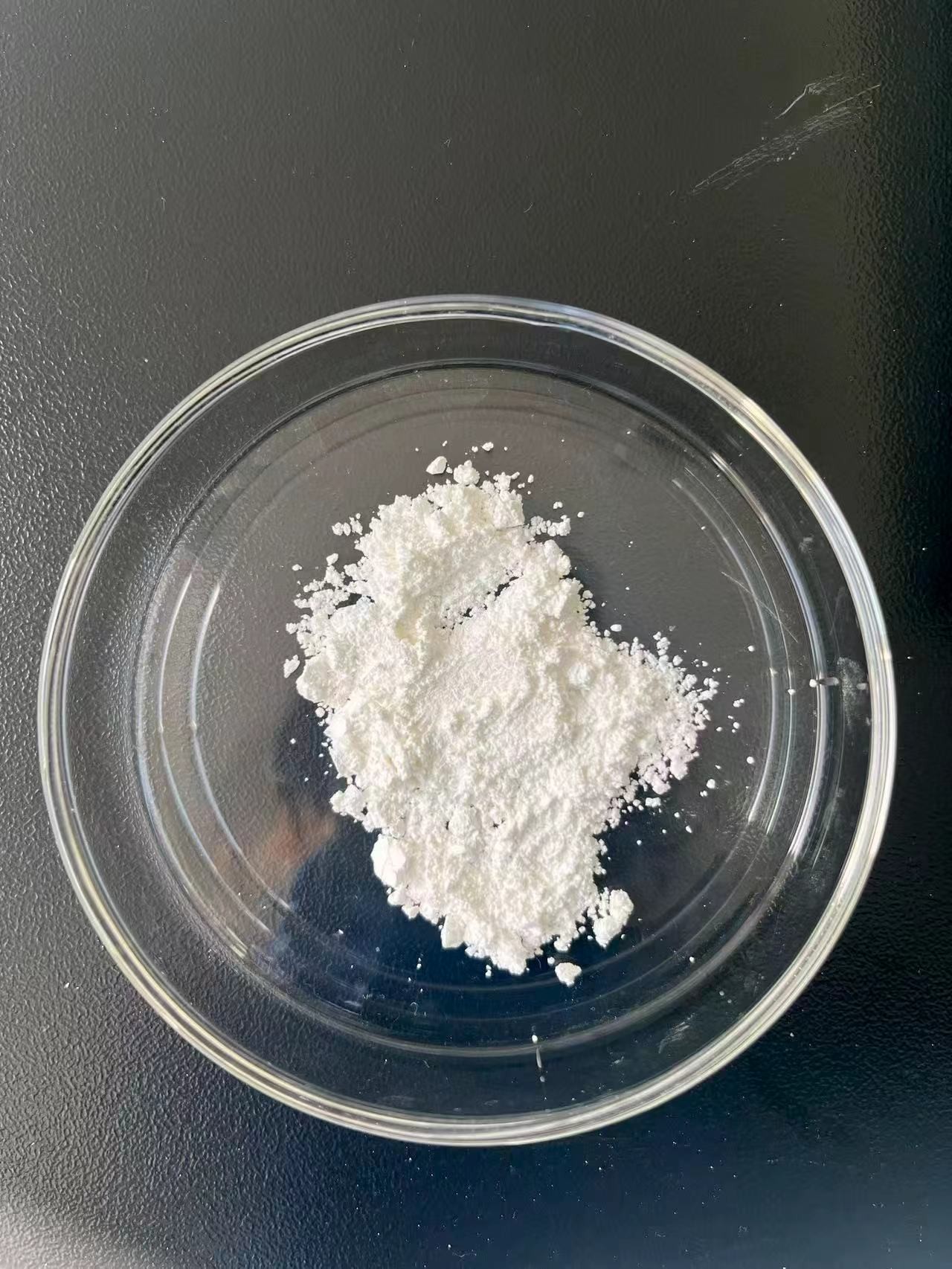
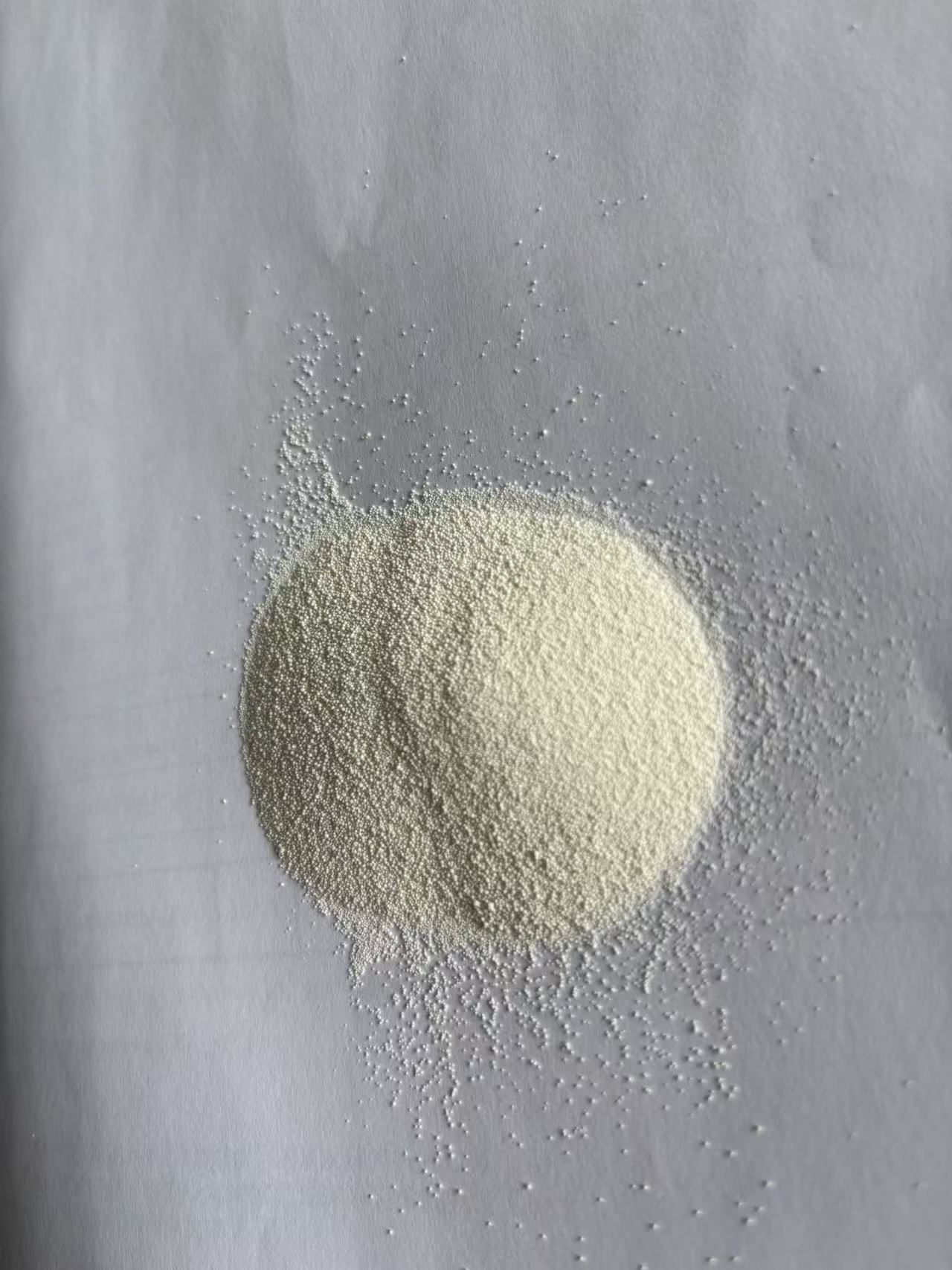
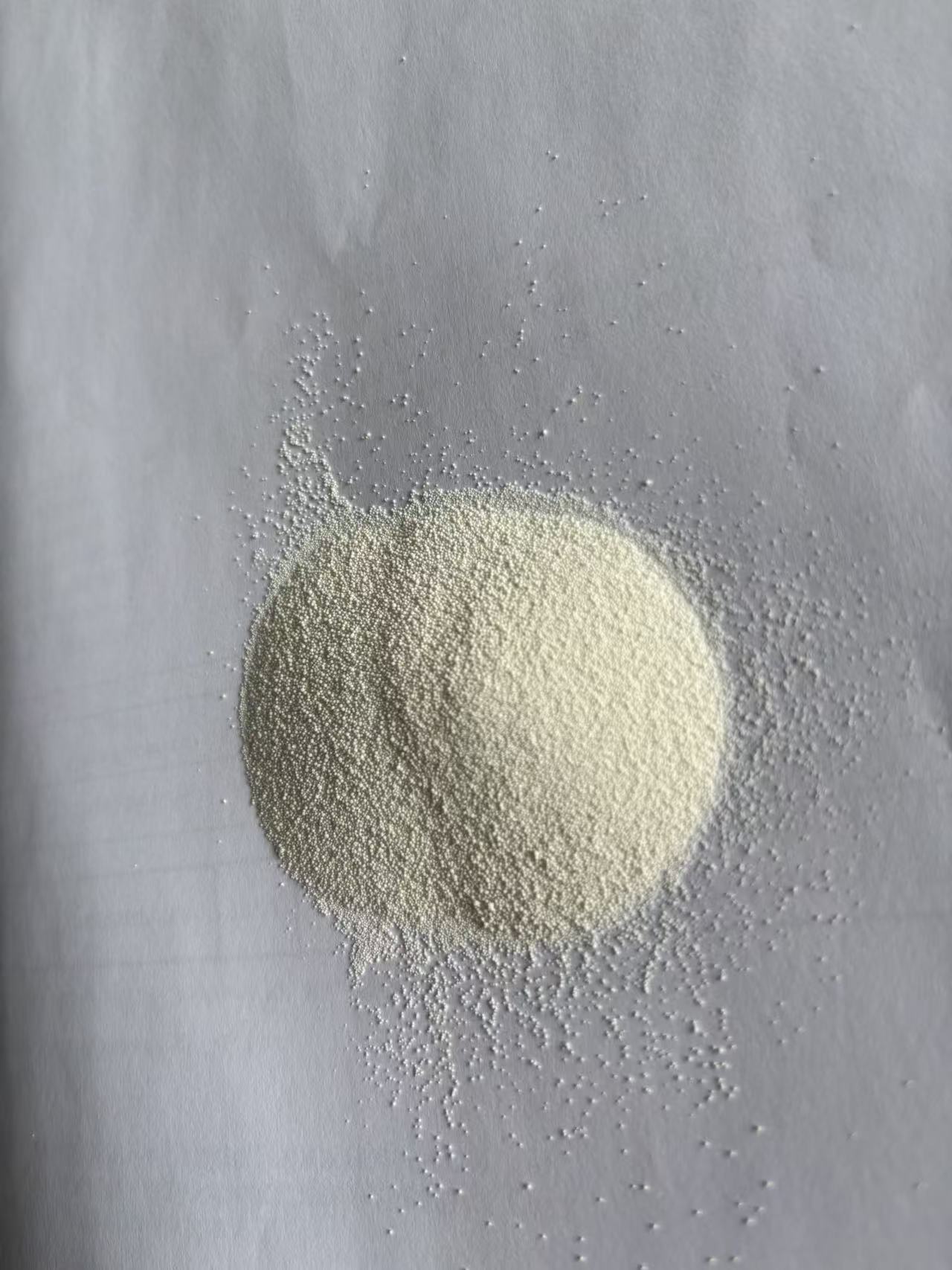
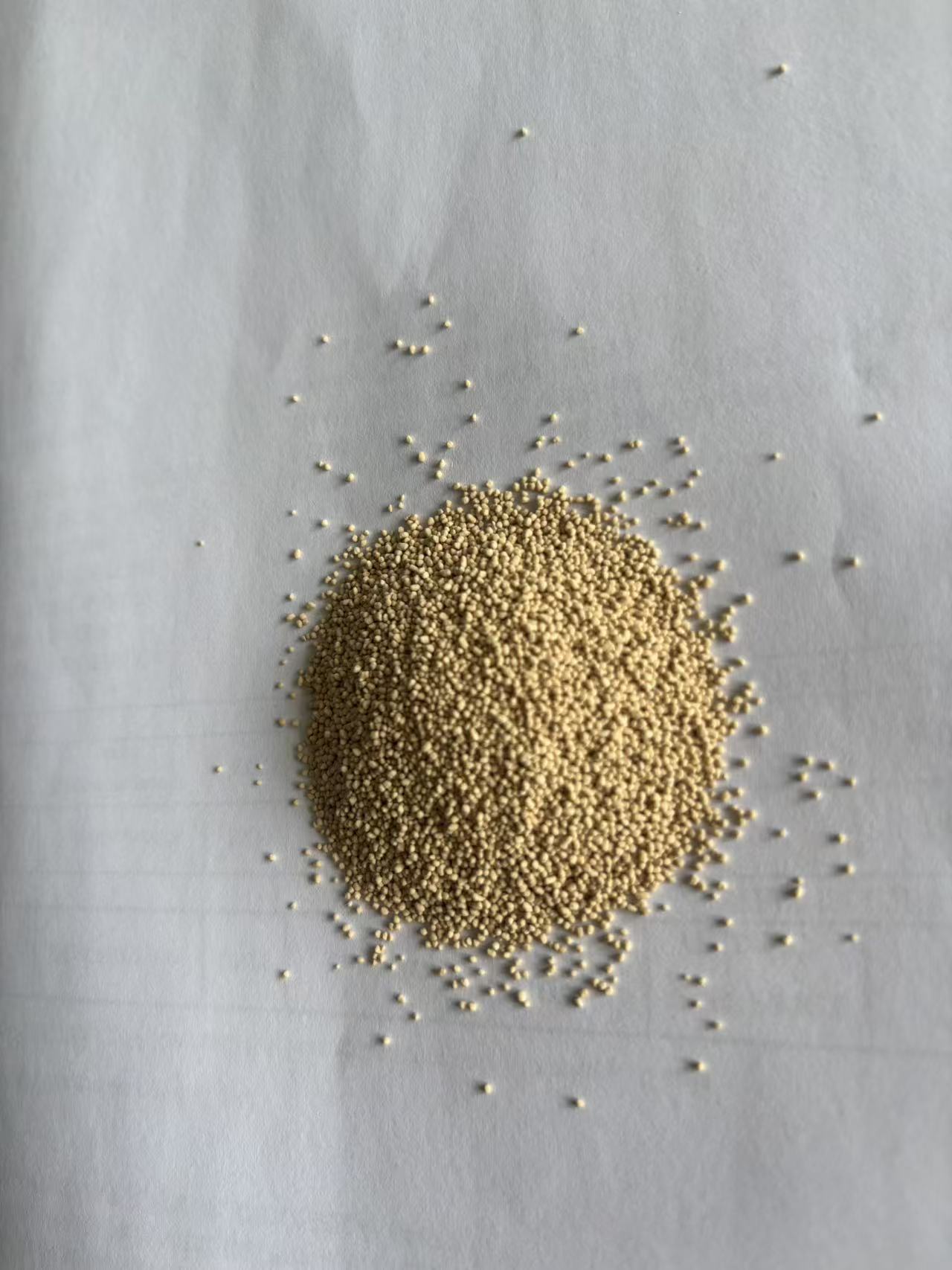
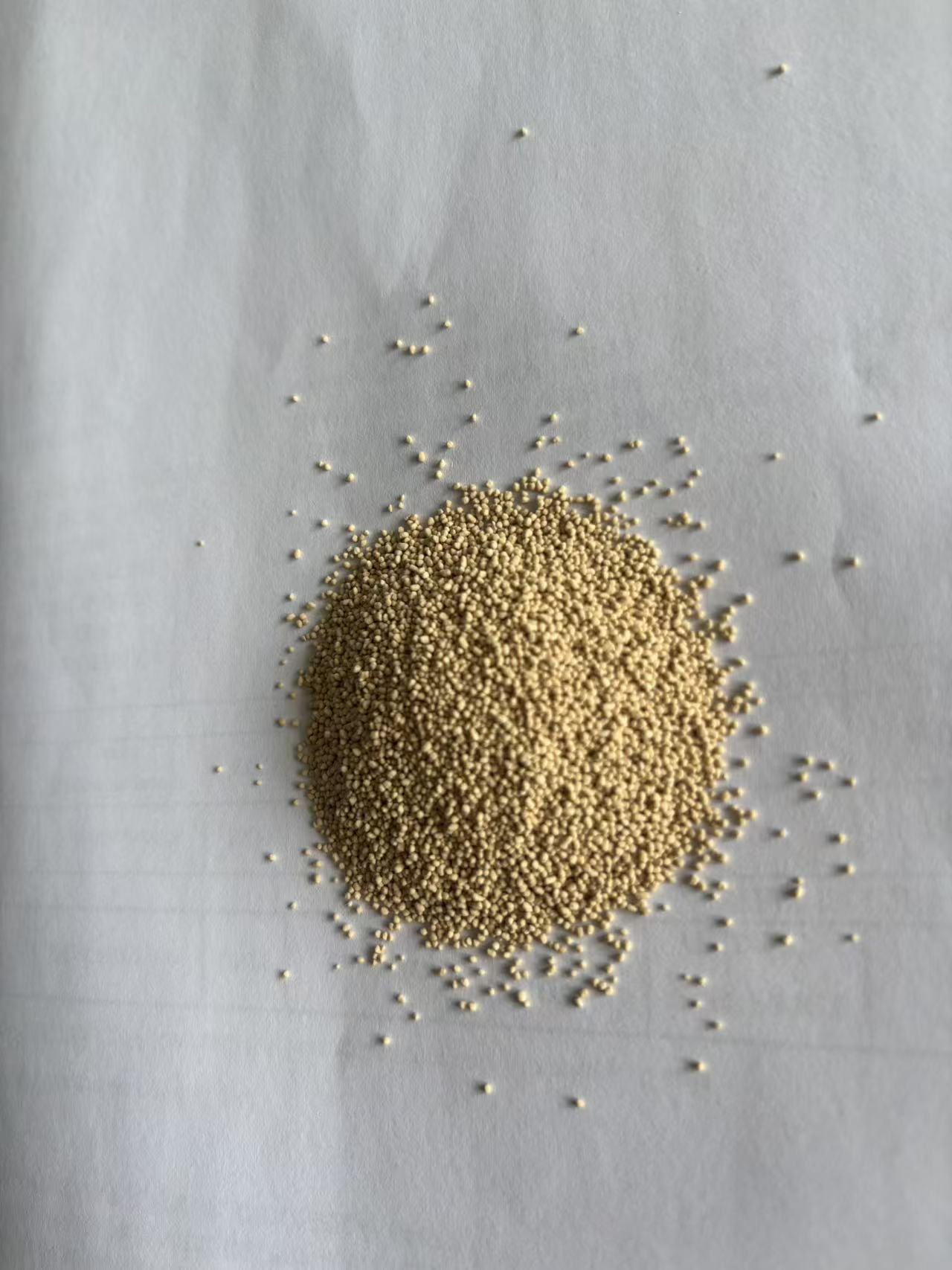
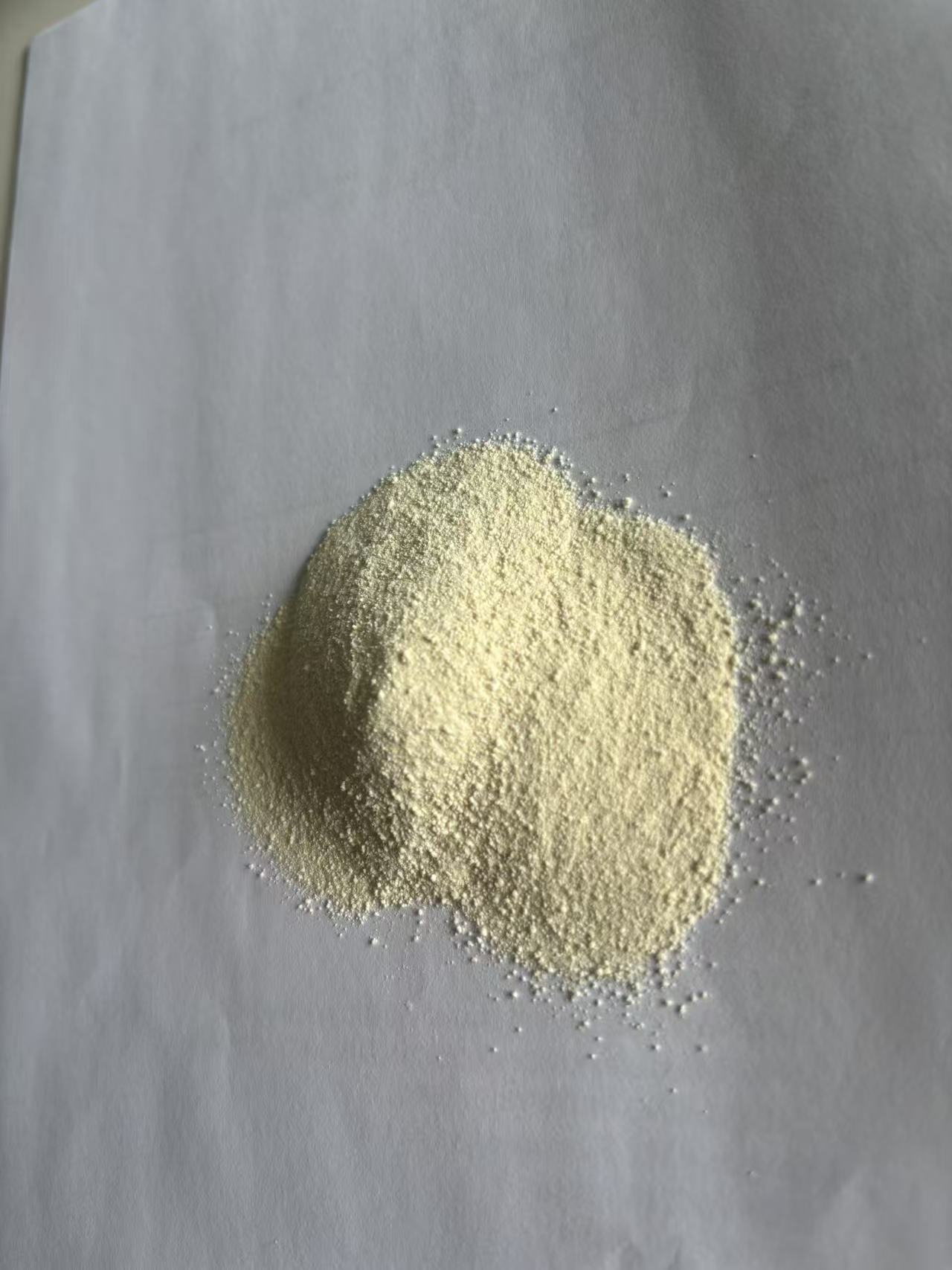
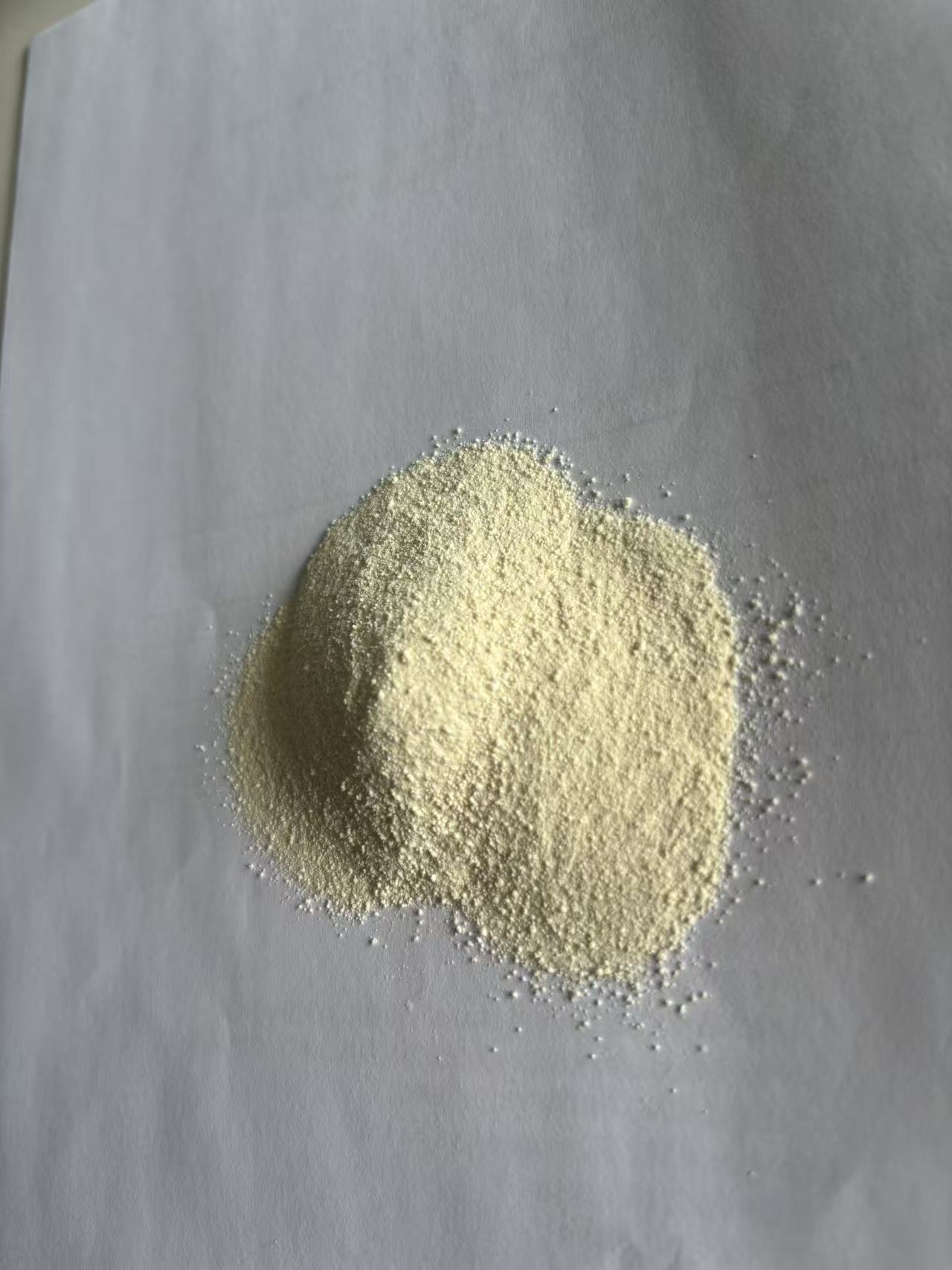
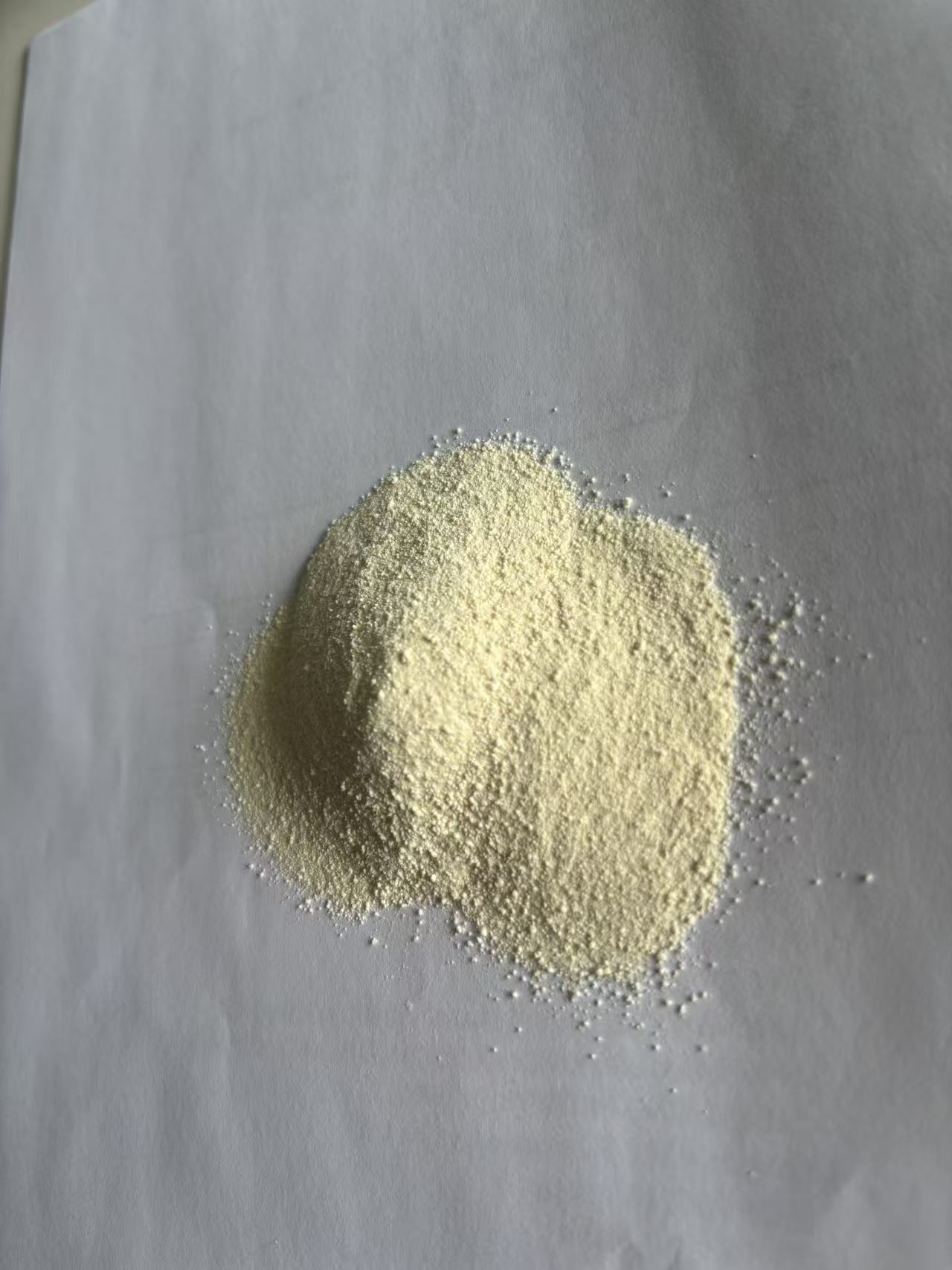
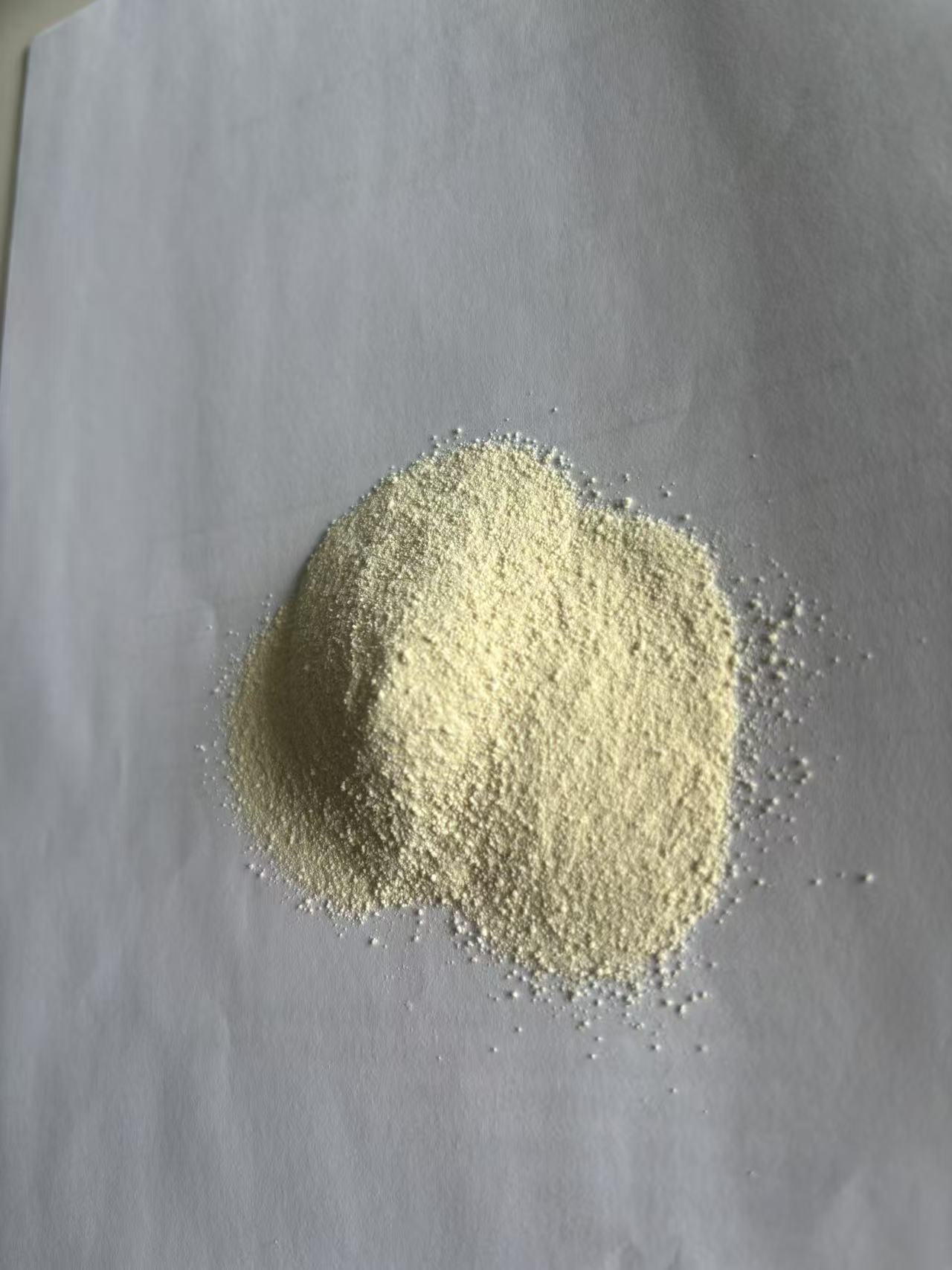
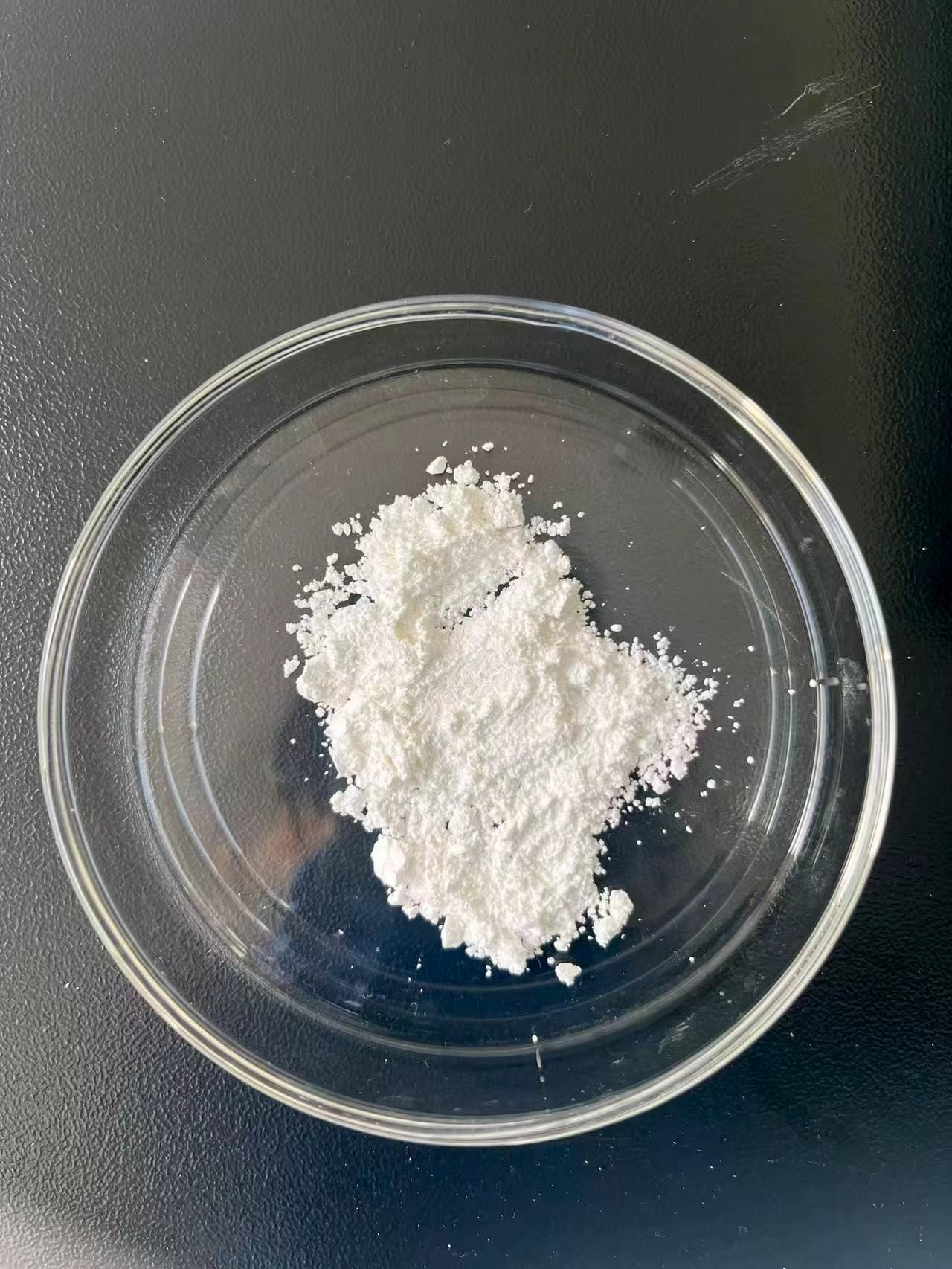
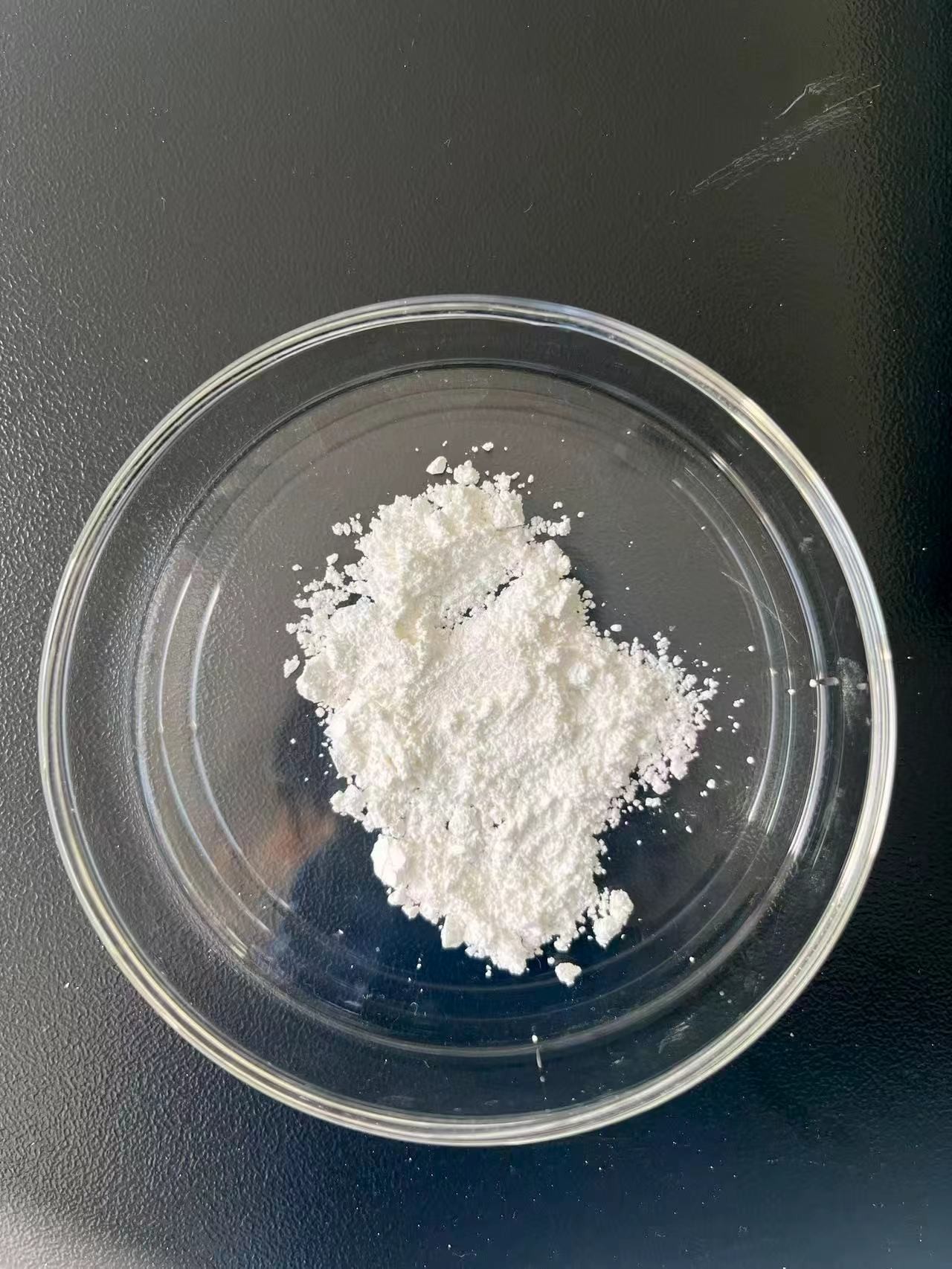
98%, 90% coated, 70% coated, 30% coated
Quali Sodi in feed is to regulate the intestinal health of animals, improve the digestion and absorption of nutrients,
and improve the production performance and immunity of animals.
1. Release butyric acid.
2. Provide energy to intestinal epithelial cells.
3. Increase the small intestinal villus, promote nutrient absorption.
4. Improve intestinal flora,prohibit intestinal harmful bacteria and proliferate beneficial bacteria.
5. Strengthen animal immunity and anti-stress ability, release stress.
6. Improve animal performance and be the best substitute of antibiotics.
Quali-Lac is mainly widely used as a highly bioavailable organic calcium supplement and acidifier in animal feed to support skeletal health, productivity, and overall physiological functions.
1.)Supplement organic calcium:
Provide easily dissolved and absorbable calcium sources for animals (especially cows, poultry, etc.), enhances bone development and strength, eggshell formation (poultry), milk secretion (cows), etc., and prevent rickets, osteoporosis, soft-shell eggs and other problems.
2. )Regulate the intestinal environment:
The lactic acid dissociated by calcium lactate in the intestine to reduce the intestinal pH, promote the reproduction of beneficial bacteria, inhibit the growth of harmful bacteria, improve the intestinal health of animals, and improve the feed conversion rate.
3. )Improve palatability:
It has a milk sour taste, which can improve the palatability of feed to a certain extent and stimulate animals to feed.
Quali Laure in feed is antibacterial and antiviral, intestinal health, immune regulation, improvement of production performance, optimization of feed processing, safe and natural, suitable for pigs and poultry and other categories.
1.)Broad-spectrum antibacterial and antiviral.
2.)Intestinal health and digestion: inhibit harmful bacteria, do not affect lactic acid bacteria, and reduce diarrhea.
3.)Immunomodulation and anti-inflammatory
4.)Improve reproduction and production performance
Advantages: natural source (breast milk, coconut oil), high safety, cooperation with antibiotics/vaccines, no risk of drug resistance, suitable for green breeding.
Quali Tri in feed is to regulate the intestinal health of animals, improve the digestion and absorption of nutrients, and improve the production performance and immunity of animals.
1.Keep stable in stomach, targeted release butyric acid in intestine by lipase and microorganism.
2.Provide energy to intestinal epithelial cells.
3.Increase the small intestinal villus, promote nutrient absorption.
4.Improve intestinal flora,prohibit intestinal harmful bacteria and proliferate beneficial bacteria.
5.Strengthen animal immunity and anti-stress ability, release stress.
6.Improve animal performance and be the best substitute of antibiotics.
Quali Tan mainly plays a dual role in anti-nutrition and functional regulation in animal feed. Its effect depends on the amount of additives and animal breeds. Reasonable use can improve production performance, while excessive use will have a negative impact. Tannic acid has natural antibacterial and anti-inflammatory properties, which can inhibit the reproduction of harmful microorganisms such as E. coli and salmonella in feed and reduce the incidence of intestinal diseases in animals. Some studies show that an appropriate amount of tannic acid can improve the fermentation mode of ruminants, increase the yield of volatile fatty acids, and improve the energy utilization rate of feed; this In addition, it also has a certain antioxidant ability, which can delay the oxidation and deterioration of nutrients in feed.
Quali-Guani (Guanidinoacetic acid,GAA) is the precursor of creatine which a central constituent in energy metabolism. Creatine is obtained from dietary animal protein or de novo synthesis from Arginine and glycine in kidney. However, creatine is not stable and vegetable raw materials contain no GAA. Supplemental GAA can restore the CREA and energy availability in tissues, and hence, improve animal performance, reduce FCR.
5000u/g, 10000u/g, 20000u/g, 100,000u/g. Phytase is a commonly used feed enzyme preparation whose primary function is to break down phytic acid (an anti-nutritional factor) in feed, thereby improving nutrient utilization, reducing production costs, and alleviating environmental pressure. 1. )Decomposing phytic acid to release phosphorus Phytic acid strongly binds with organic phosphorus in feed, making it unavailable for animal absorption. Phytase breaks this compound down, releasing bioavailable phosphorus—significantly reducing the need for inorganic phosphorus sources such as dicalcium phosphate, lowering feed costs, and enhancing phosphorus absorption in livestock and aquaculture animals. 2. )Relieving chelation effects of phytic acid to improve mineral absorption Phytic acid also complexes with essential trace minerals like calcium, zinc, iron, copper, and manganese, forming insoluble compounds. After phytase degrades phytic acid, mineral bioavailability increases significantly, promoting better skeletal development and improved growth performance in animals. 3. )Enhancing protein and amino acid utilization Phytic acid inhibits digestive protease activity, reducing protein digestibility. Adding phytase mitigates this inhibition, improving protein and amino acid absorption while decreasing nitrogen excretion in feces. 4. )Improving gut health and boosting production performance By reducing the abnormal fermentation of undigested nutrients in the gut, phytase lowers the incidence of diarrhea and intestinal disorders. It also promotes feed intake and weight gain, improving feed conversion ratio, egg production, and lactation performance.
50000u/g, 100000u/g Proteases are enzymatic preparations that break down proteins and peptides, primarily aimed at improving protein digestibility and utilization, reducing costs while enhancing efficiency, and supporting intestinal health. 1. )Protein breakdown to enhance digestion and absorption Large molecular proteins and anti-nutritional proteins in feed are hydrolyzed into smaller peptides and amino acids, increasing protein absorption rates, reducing protein waste in feed, and promoting better animal growth at the same protein level. 2. )Degradation of anti-nutritional factors Harmful substances such as soybean globulins, trypsin inhibitors, and lectins in soybean protein are broken down, alleviating their inhibition of intestinal digestive enzymes and reducing intestinal irritation caused by protein antigens. 3. )Reduction in feed costs The proportion of high-cost protein sources like soybean meal and fishmeal in feed can be appropriately reduced, with partial replacement by alternative high-quality proteins, thereby lowering formulation costs without compromising production performance. 4. )Improvement of intestinal health Undigested protein residues in the gut are minimized, reducing harmful bacterial proliferation and protein putrefaction, thus decreasing diarrhea and intestinal toxicity issues. Small peptides nourish the intestinal mucosa and help maintain intestinal barrier function. 5. )Reduction of excreta pollution More complete protein digestion reduces nitrogen excretion in feces, lowering ammonia and odor emissions in livestock farms, meeting environmental protection requirements.
50000u/g, 100000u/g Mannanase is a non-starch polysaccharide enzyme that primarily degrades β-mannan in feed, and is widely used in livestock, poultry, and aquaculture feeds. Its core functions and mechanisms are as follows: 1) Degradation of anti-nutritional factors Raw materials such as soybean meal, rapeseed meal, cottonseed meal, coconut meal, and guar gum are rich in β-mannan, a potent anti-nutritional factor. It increases intestinal chyme viscosity, slows nutrient absorption, hinders the interaction between digestive enzymes and nutrients, reduces utilization efficiency of protein, starch, and fat, and affects intestinal motility, leading to diarrhea and digestive disorders. Mannanase breaks down these substances into small oligosaccharides and monosaccharides, thereby eliminating the negative effects caused by high viscosity. 2) Enhancing feed nutrient utilization By breaking down polysaccharides, mannase releases absorbable sugars, improving energy utilization and reducing feed conversion ratio (FCR) or feed-to-egg ratio. It also releases proteins, amino acids, and minerals previously bound by polysaccharides, enhancing the absorption rates of protein, calcium, phosphorus, and other nutrients. Under equivalent production performance, this allows for a reduction in feed formulation costs related to energy and protein content. 3) Improving intestinal health Optimizing gut microbiota: The mannan oligosaccharides produced during degradation serve as carbon sources for probiotics (such as lactic acid bacteria and bifidobacteria), inhibiting the growth of harmful bacteria. Maintaining intestinal barrier function: Reducing intestinal burden, minimizing intestinal wall damage, and lowering the incidence of enteritis and diarrhea. Reducing harmful intestinal metabolites and enhancing overall animal resistance. 4) Alleviating stress and improving production performance Mitigating growth inhibition caused by anti-nutritional factors in raw materials, thus accelerating growth rates in livestock and poultry. In laying hens, it helps stabilize egg production and improves eggshell quality. In aquatic animals, it reduces intestinal problems, increasing survival rates and weight gain. It also alleviates feeding depression caused by stressors such as diet changes, environmental shifts, and transportation.
50000u/g, 100000u/g, 200000u/g Xylanase is a key enzymatic preparation specifically targeting non-starch polysaccharides in cereals, bran, and husks. Its primary function is to degrade xylans and eliminate anti-nutritional effects, with specific benefits as follows: 1) Reduces intestinal chyme viscosity By breaking down large molecular xylans, it alleviates the excessive viscosity of wheat- and bran-based diets, enhances intestinal motility, and significantly reduces diarrhea and digestive disorders in livestock and poultry. 2) Improves nutrient absorption It disrupts plant cell walls, releasing encapsulated starch, protein, fat, and minerals, thereby increasing feed energy and nutrient utilization efficiency, reducing feed-to-gain ratio and feed-to-egg ratio. 3) Supports gut health and regulates microbiota The degraded xylo-oligosaccharides promote the growth of beneficial bacteria such as lactobacilli and bifidobacteria, suppress harmful microbes, protect intestinal mucosa, reduce intestinal inflammation, and enhance animals' stress resistance. 4) Optimizes feed formulation and reduces costs It allows higher inclusion levels of low-cost ingredients like wheat, middlings, bran, and rice bran, partially replacing corn. This enables flexible formula adjustments and effectively lowers feed production costs. 5) Reduces environmental impact With improved nutrient absorption, organic matter and nitrogen excretion in manure are reduced, minimizing barn odors and environmental pollution.